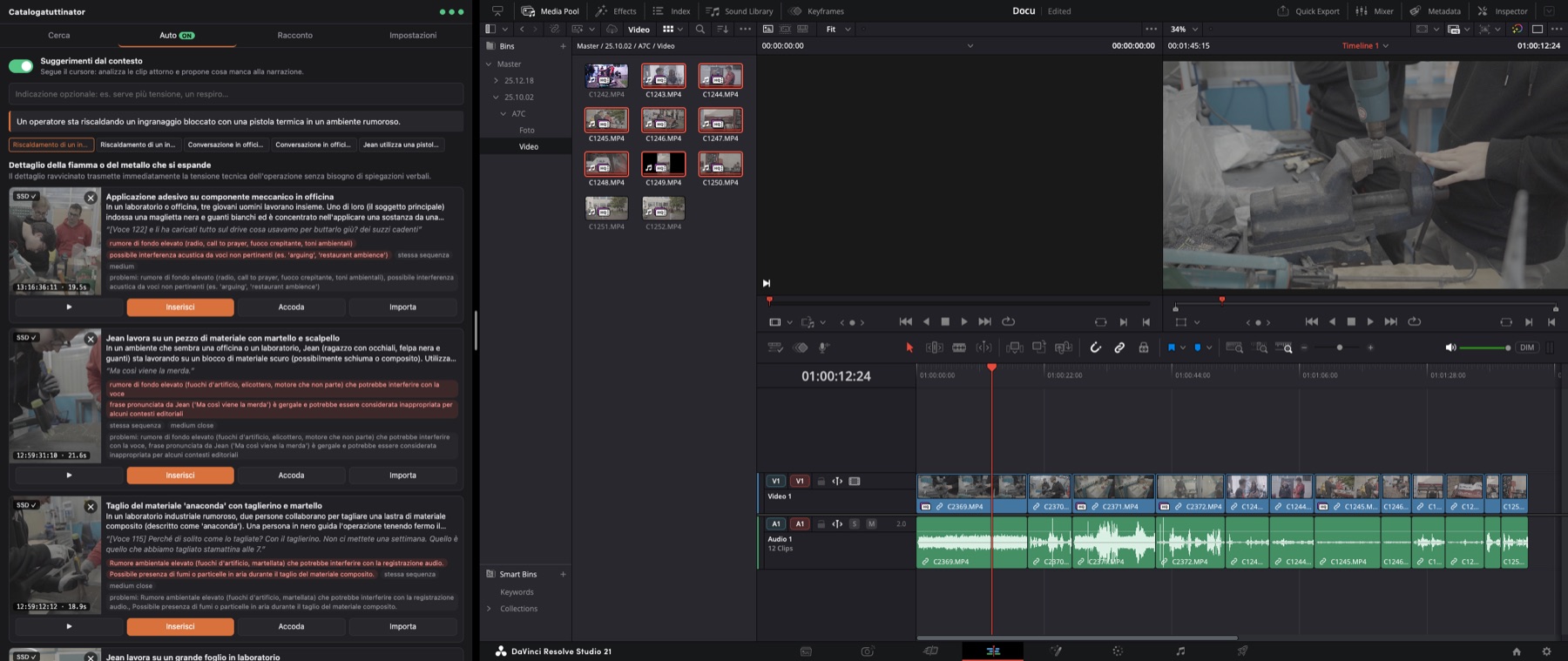
It all started from a real need on set and in the cutting room: in documentaries, the true bottleneck isn't the edit, it's finding the material. With over 380 hours of footage for the Squadra Corse PoliTo documentary, rewatching and logging everything manually would take weeks. That challenge sparked TheCatalogatuttinator's microservices architecture, built to analyze massive volumes of footage locally, generate narrative storylines, and assist the editor straight inside the timeline.
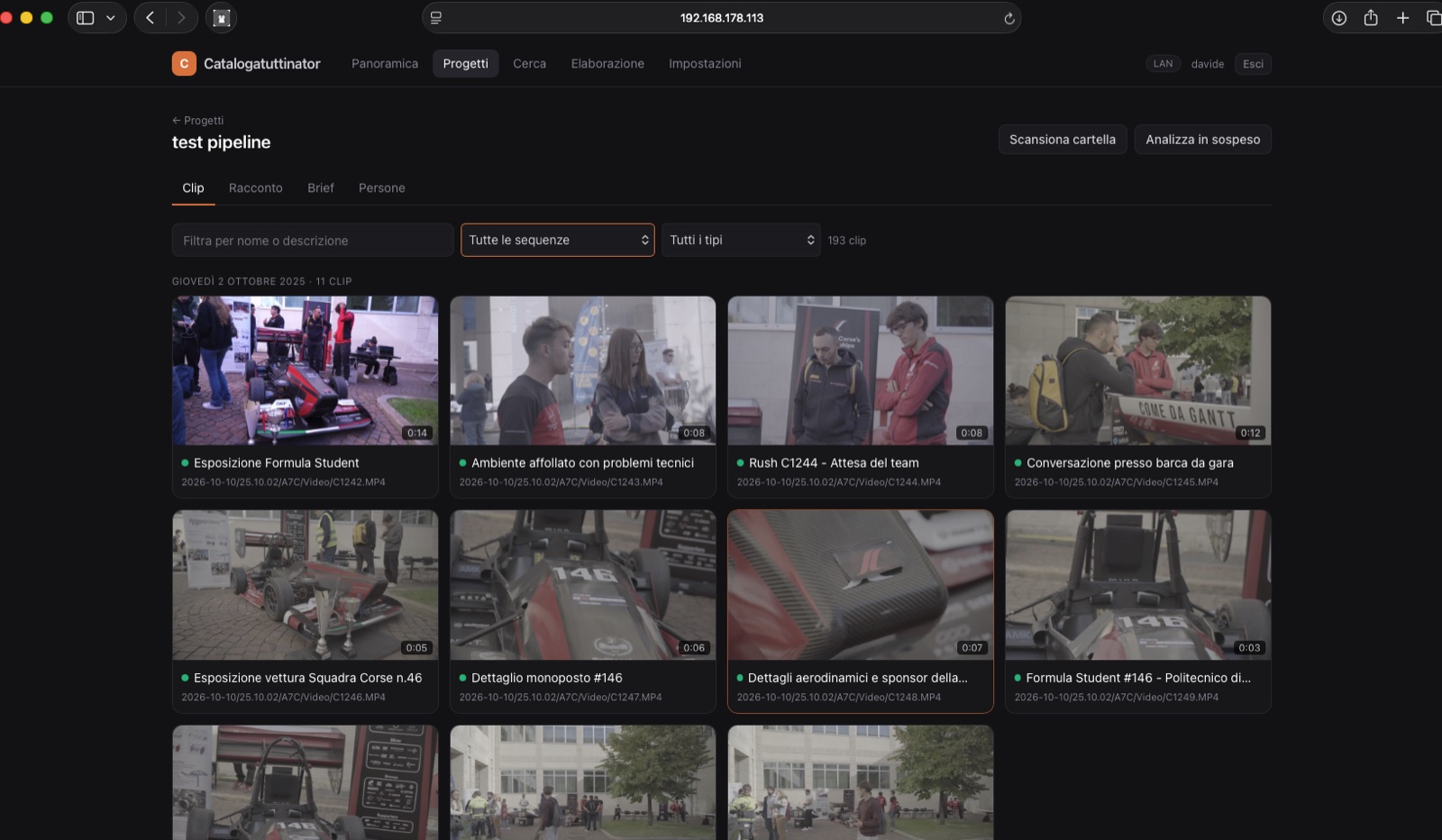
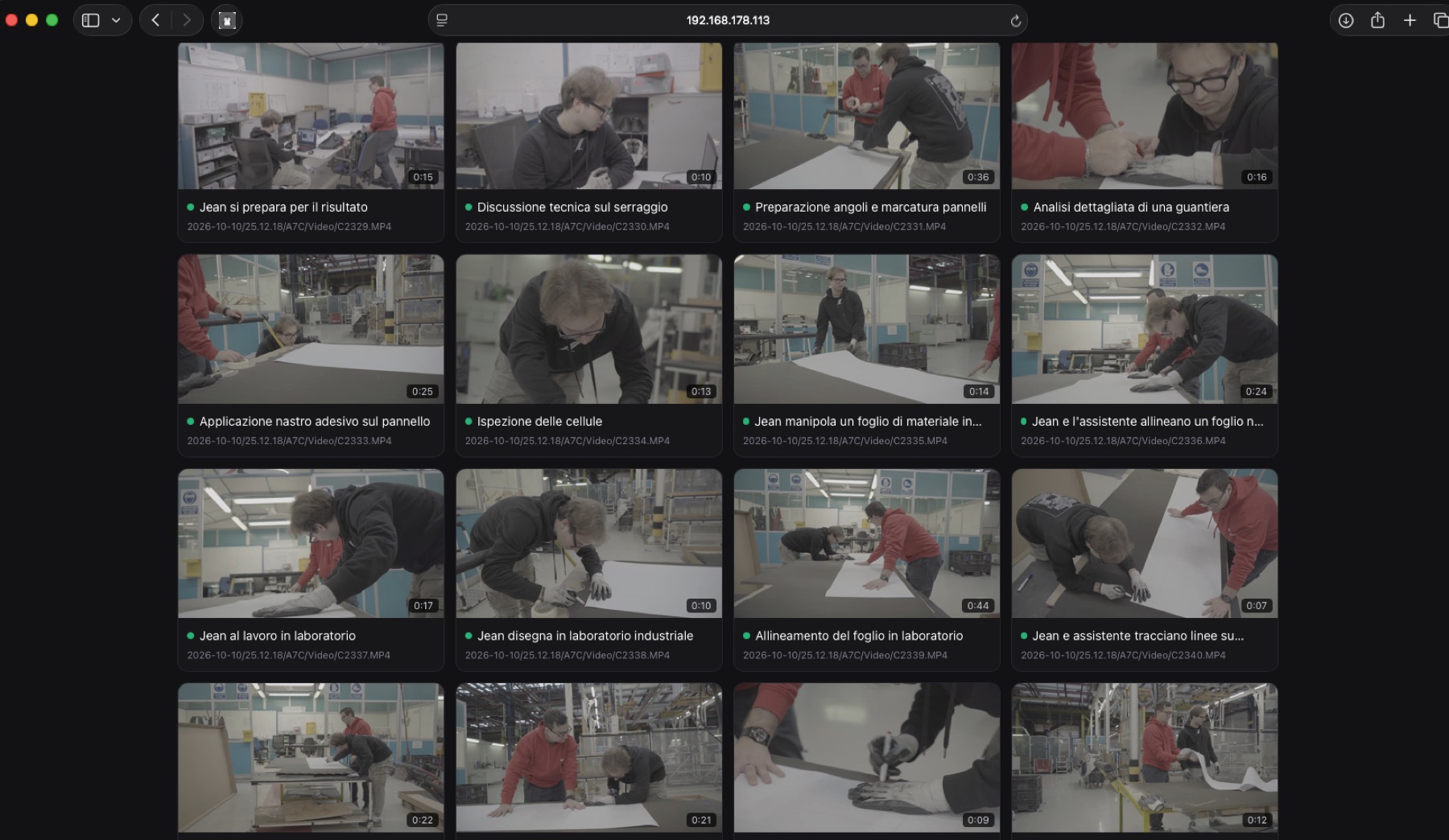
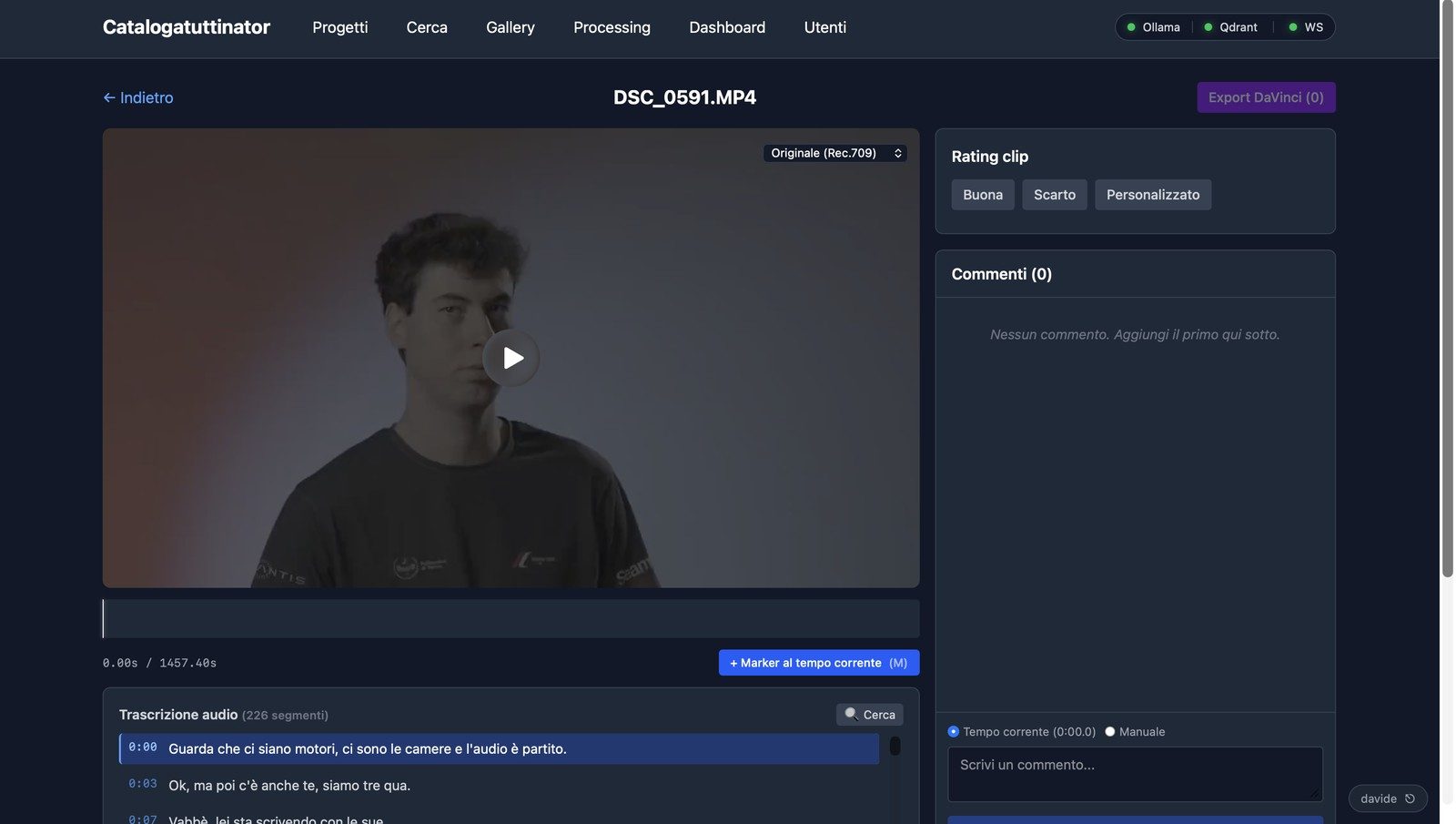
The heavy lifting takes place on a local server (TrueNAS SCALE with GPU) through dedicated workers: technical metadata extraction, word-level audio transcription, cross-clip speaker diarization, sound event detection (CLAP, identifying clappers, mechanical engine noises, applause), and detailed editorial sheets (shot framing, narrative purpose, technical issues) drafted by vision-LLMs (Qwen-VL). Everything runs strictly on-premise, with zero cloud API fees and no sensitive media leaving the local machine.
Ingest is distributed and lightweight: a desktop app for Mac/PC uses hardware acceleration (VideoToolbox / NVENC) to encode proxies directly from camera RAWs (including R3D) while preserving timecode, reel names, and multi-track audio for seamless relinking. The ctt-sync daemon keeps the proxy archive mirrored to external SSDs with SHA-256 verification and automatic resume.
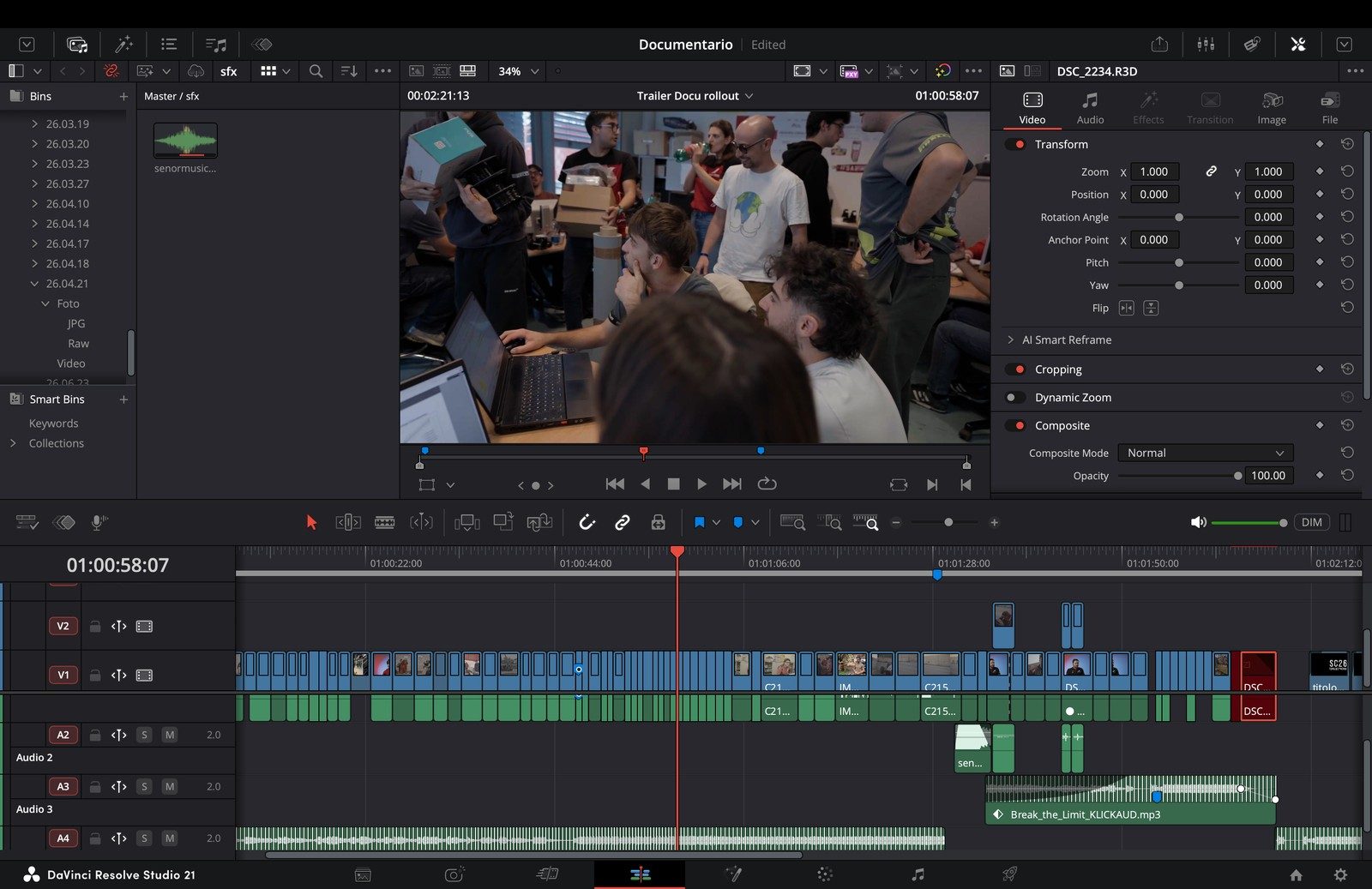
Inside the DaVinci Resolve 21 Workflow Integration plugin, multi-vector semantic search allows natural language queries that combine visual cues, transcripts, and audio events (e.g. locating a mechanical breakdown even if it's only audible in the background). The new "Story" tab analyzes the shoot and formulates structured storylines with narrative beats anchored to clips; pressing "Append Storyline" automatically builds a rough cut assembly directly onto Resolve's active timeline.
Furthermore, the real-time assistant mode monitors playhead context, identifying storytelling gaps to suggest contextual B-roll, cutaways, reaction shots, or alternate takes on the fly.
Today TheCatalogatuttinator is in use to edit the actual documentary: no longer just a test bed, but the working tool on the footage.
Want to know more about this tool?
Reach out for architecture details, source code access, or to test it.